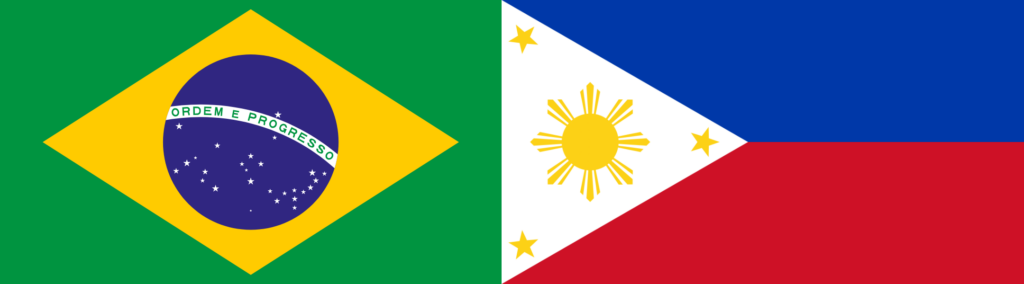
Global Takes: A Look at Marketing and Advertising in Brazil and the Philippines
Brazil, with Tárik Frank
Tárik Frank speaks from his long career in advertising for top brands not only in Brazil, but in Australia, and the UAE as well.
How has your experience working at Ogilvy Brazil and other international agencies shaped your perspective on local versus global creative leadership?
International agencies taught me the value of process, alignment and brand consistency. Brazil taught me how to move fast, read culture and find unexpected solutions. I think a good creative leader needs both: the calm of the global view and the instinct of the local market.
What are some of the biggest mistakes global brands make when they try to market to Brazilian consumers?
A common mistake is thinking Brazil is only joy, carnival, football and color. Of course, these things are part of our culture, but Brazil is much more complex than that. The brand needs to understand how people live, talk, joke, complain and celebrate here. Brazil rewards brands that listen before they speak.
When a brand from outside Brazil markets to a Brazilian audience, should they try to tap into local culture, lean into their foreign status, or blend a little of both?
I think it depends on the brand, but in general the best answer is a blend. If it tries too hard to be Brazilian, it can feel fake. If it stays too foreign, it can feel cold. The best work keeps the brand identity, but finds a natural way to belong here.
How do regional differences shape the way you design campaigns in Brazil?
So, for instance, when we work on campaigns for Coca-Cola, we try to use terms and ideas that can make sense in different parts of the country. There are many different Brazils inside Brazil, so something that works in São Paulo might not work the same way in the Northeast or in the South. We always try to be careful with that and create work that feels simple, true and understandable for people across the country.
SUBSCRIBE TO OUR FREE MONTHLY NEWSLETTER
Where do you see the biggest gap between Brazilian media plans and what’s actually happening in Brazilian consumers’ daily media habits?
I think the biggest gap is that media plans often look too clean, while real life is messy. People are watching TV, using WhatsApp, scrolling TikTok, listening to podcasts, and sharing memes at the same time. The consumer journey is not a line; it is more like a conversation.
A good example was when we launched the new BMW i7 around two years ago. The core idea of the campaign was to launch the car inside streaming platforms like Disney+ and Samsung TV. Instead of using a regular ad format, we placed a 7-minute short film where people could experience the car in a more natural and entertaining way. During the film, we had QR codes that allowed viewers to explore the car and start the buying journey directly from the content. For me, this is the kind of media thinking we need more today: less interruption, more integration into how people already consume culture.
How do you navigate issues of representation, race, class, gender, sexuality, when designing mainstream campaigns in Brazil?
I think the first step is listening. As creative leaders, we do not always have all the answers. So it is important to bring different voices into the process and be open to correction. Better representation usually comes from better collaboration. For instance, we try to avoid creating a campaign for Women’s day without having any women in the room.
Brazil is not only a market. It is a culture with its own history, creativity, and challenges. If a brand wants attention here, it should also bring respect.
What kind of responsibility do you think global brands have when entering the Brazilian market, beyond just “selling more”?
I think global brands have the responsibility to listen and understand before trying to be loved. Brazil is not only a market. It is a culture with its own history, creativity, and challenges. If a brand wants attention here, it should also bring respect. For example, in a recent local Coca-Cola campaign to promote the World Cup, we used an expression that was already popular among Brazilians: “Você é essa Coca-Cola toda,” which means something like “you are special” or “you are all that.” Our message was: “Brazil is still all that Coca-Cola.” It was a simple way to say that Brazil is still a strong candidate to win the tournament, based on our legacy. But more than that, it showed that Coca-Cola understood Brazilian culture and the way people actually speak, without sounding forced or pretentious.
Can you walk us through a Brazilian campaign where you had to adapt a global idea to local culture? What did you keep, what did you kill, and were there any risks you took?
One example was a Coca-Cola global campaign called Foodmarks. The global idea was strong, but the name and expression did not really work in Brazil. “Foodmarks” is not something we say here, and translating it literally would not make sense.
So our challenge was to keep the idea, but make it very simple and clear. Coca-Cola is a brand that speaks to all Brazilians, from many different regions and backgrounds. In that kind of campaign, simplicity is usually the best way. People need to understand the idea immediately, and then the emotion and culture can come naturally.
We kept the spirit of the global campaign, which was about special food places and memorable experiences. But we killed the literal translation and anything that felt too complicated. In Portuguese, we went with something much more direct, like “restaurantes especiais.” It was simple, easy to understand and more natural for Brazil. And the campaign worked well because it respected the way people here actually talk and connect with food.
You’ve also worked for Ogilvy Australia in a copywriting role. What was that transition like and what did it teach you about marketing across cultures?
Working with Ogilvy Australia helped me understand how culture changes the meaning of words. It was not only about English, but about context, tone and behavior. For example, in Australia, if you say “she’ll be alright,” people understand it as “everything will be fine.” In Dubai, depending on the context, the same line may not make sense in the same natural way. Both places use English, but culture changes how English works. That made me more careful as a copywriter and more open as a creative leader.
As a creative director and mentor, what stands out to you about the next generation of Brazilian creatives versus the generation just before you?
The new generation is very fast and very connected to culture in real time. They understand platforms, memes and social behavior almost naturally. The generation before had a very strong sense of craft. I think the future is combining both: speed, culture and craft.
The Philippines, with Angelica Strocks
Angelica Strocks is working on a doctorate in business administration. She shares her perspective on what on how marketing intersects with Filipino culture.
How would you describe the “buyer personality” of the typical Filipino consumer? What do they reward (trust, speed, price, relationship to the seller, etc.)?
I would describe the typical Filipino consumer in two ways: value-conscious and trend-driven, depending on the type of vendor.
In local markets, there is a common practice called “tawad” (haggling), where buyers negotiate with sellers to get the best possible price. This is widely accepted, as long as the price remains fair for both parties. Filipino consumers are generally mindful of getting good value while also respecting small business owners.
The Philippines consistently ranks among the top countries in TikTok usage, and products or businesses that gain traction there often become instant hits, whether it’s a new café, beauty product, or fashion item.
On the other hand, when it comes to larger or fixed-price retailers, Filipinos are highly influenced by trends, especially those driven by social media. The Philippines consistently ranks among the top countries in TikTok usage, and products or businesses that gain traction there often become instant hits, whether it’s a new café, beauty product, or fashion item. Overall, price and social media influence play a major role in shaping Filipino consumer behavior.
In your experience, what are the most common cultural missteps foreign brands make when first trying to market to Filipinos?
One common misstep foreign brands make is failing to adapt to local physical and environmental factors. For example, in the beauty industry, some international brands do not offer shades that cater to typical Filipino skin tones (morena/moreno).
Another issue is not considering the tropical climate. Products that are not humidity-resistant, such as certain makeup formulations, may not perform well in the Philippines. Localization in both product offering and formulation is essential for success.
How important is “localization of tone” in your view? Do campaigns that sound “too global” or “too Western” struggle even if the product is good?
Filipinos generally have a strong appreciation for imported products. While there is growing support for local brands, foreign products are often associated with quality and effectiveness.
Being “global” or “Western” is not necessarily a disadvantage; in fact, it can be appealing. Many consumers (me included) actively seek out international products, as seen in the popularity of membership stores like Landers (similar to Costco), where imported goods are a major draw.
Can you share an example of a brand that adapted its messaging or product offering to fit Filipino culture, and what made it work?
A great example is McDonald’s Philippines. While maintaining its global identity, McDonald’s has successfully localized its offerings and messaging.
For instance, they adapted their spaghetti to suit the Filipino preference for a sweeter taste and included rice in their menu, recognizing it as a staple in Filipino meals. Their marketing also resonates deeply with local culture by emphasizing family, nostalgia, and community. Campaigns often highlight emotional, family-centered stories rather than just convenience, which strongly aligns with Filipino values.
If a foreign brand came to you tomorrow and said, “Help us launch in the Philippines,” what would be your top‑three priority changes to their sales and marketing playbook?
If I were advising a foreign brand entering the Philippine market, my top three priorities would be:
- Build a strong social media presence, especially on TikTok, where trends can quickly drive consumer interest.
- Maintain global brand identity while localizing for Filipino culture, climate, and preferences.
- Leverage influencers or celebrities to build credibility and reach. While this can be costly, the return on investment is often significant, as Filipinos are highly influenced by personalities they follow (myself included!).
What skills or mindsets do you think are most transferable if someone moves between industries or between working for a global brand and a local Filipino company?
One of the most transferable skills is effective communication, as the Philippines ranks highly among English-speaking countries.
Additionally, Filipino professionals are known for their hospitality, teamwork, and adaptability. These traits make it easier to transition between industries or work environments, whether in global organizations or local companies
Share this on:
About Tárik Frank
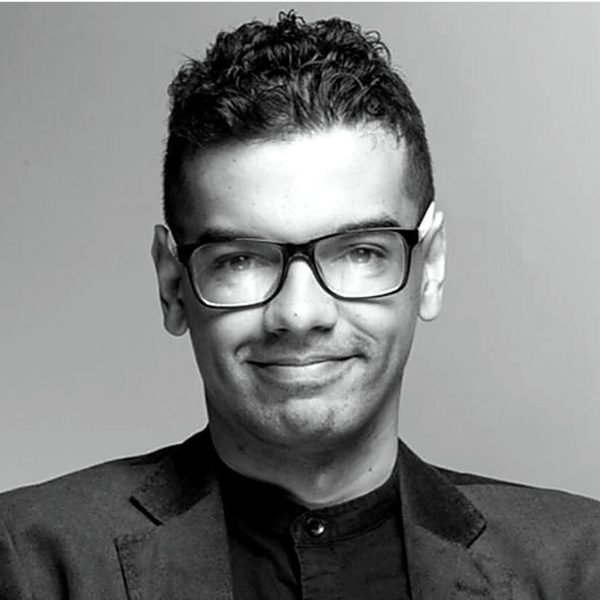
Tárik Frank is a Brazilian creative director with 16 years of experience in advertising. He has been lucky to work with brands like The Coca-Cola Company, KFC, Nissan and BMW, across agencies such as TBWA Dubai, Ogilvy Australia and Ogilvy Brazil.
His work has been recognized by festivals like Cannes Lions, One Show and D&AD, and he has also served as a jury member for New York Festivals, MadStars, and The Lisbon Awards.
About Angelica Strocks
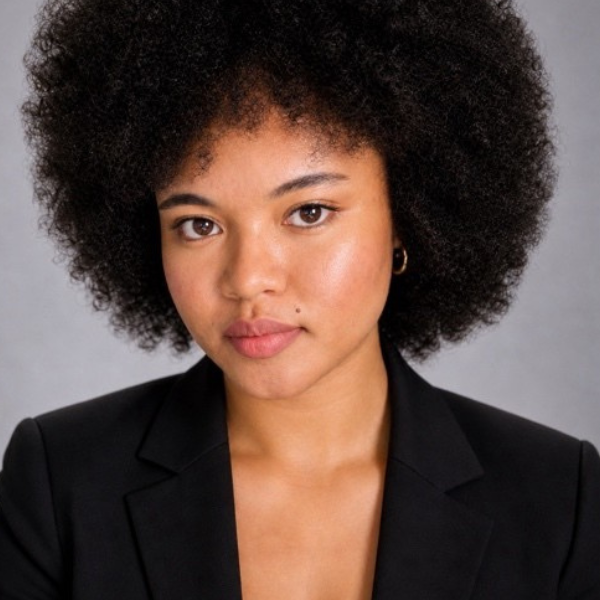
Angelica Strocks is a marketing and operations professional with over 8 years of experience in operations, digital marketing, and CRM management. Based in the Philippines, she’s had the opportunity to support companies across the US, UK, and Australia over the past several years, which has given her a global perspective on business and consumer behavior. She’s passionate about building efficient systems, understanding trends, and using digital strategies to drive meaningful results.