
Quick Email Marketing Clean-Up That Pays Off
By Heather Porter
The cold, hard truth about email marketing is this: You’re probably doing it wrong. Even seasoned experts get caught up in click rate spikes or churning out formulaic content because in all the busyness it’s hard to take a step back.
Smart teams get their systems in order, figure out who actually cares, and send messages that make sense for where each lead is in their journey. It’s not glamorous work, but it’s what separates campaigns that hum from those that vanish.They don’t rely on aspirational nonsense or “checking in” emails; they stick to what they’re confident will land.
Here’s a list of things you can do to improve your email lists and deliverability. Some of these may be familiar and some may be new. But for each one, take that step back and ask yourself if you’ve actually implemented it.
What Is Email Deliverability?
Before we dive into the list, let’s talk about what email deliverability is. It doesn’t sound exciting. No one’s bragging about DNS settings at lunch. But without it, everything else collapses. Think of it like plumbing that decides whether your messages will even make it into a lead’s inbox. No one notices until something starts leaking.
If your emails aren’t landing because your domain reputation is shot or your list hasn’t been touched in a year, then all the creative work in the world will be wasted. Even the fanciest campaigns won’t save you.
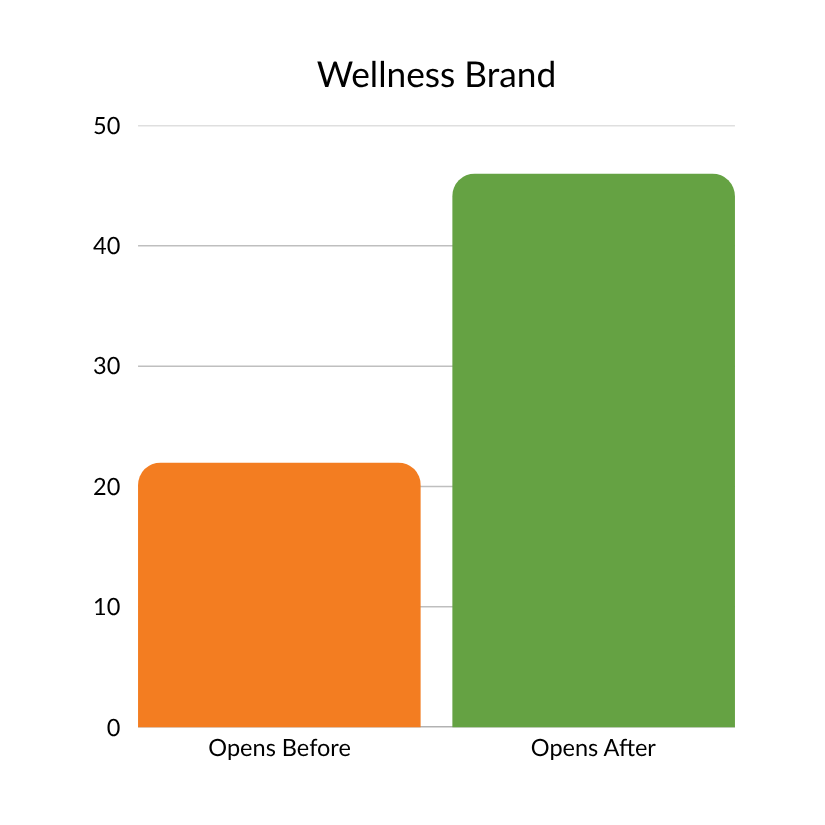
Here’s an example. One wellness brand swore their open rates were “fine.” After cleaning their DNS and dropping 700 dead contacts, their opens jumped from 22% to 46% overnight.
And here’s the key: Look for small moves that create predictable wins.
The following isn’t theory. These are practical steps that you can—and should—be taking right now.
Step 1: Start by Cleaning Your System
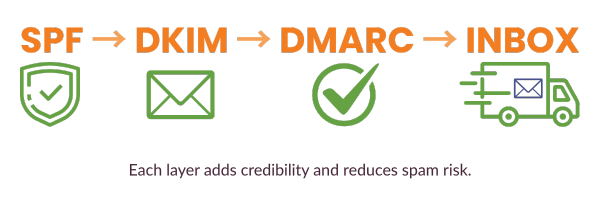
This sounds boring, but it’s absolutely necessary. Start with SPF, DKIM, and DMARC. I once checked all three for a client who hadn’t touched them since 2018—70% of their emails were hitting spam. After the fix, they started landing in inboxes again.
Depending on your domain’s history, this step can take longer—but it’s always worth it.
Step 2: Scrub Your Lists
Bounces, unsubscribes, obvious junk—get rid of them. But don’t delete non-openers. Move them to a low-touch segment. Re-engage them a few times a year. If they respond, great. If not, you’re still protecting your sender health without shaking leads who might respond one of these days. Remember, the goal isn’t to chase vanity metrics.
One caveat: If you’re using a platform that charges by lead volume tiers, you may want to trim out some leads who haven’t opened an email in over a year or more. This can result in a cost savings, but do so carefully.
The truth is most marketers skip list cleanup—or don’t do it thoroughly enough—and wonder why nothing converts.
SUBSCRIBE TO OUR FREE NEWSLETTER
Step 3: Meet Leads Where They’re At
Once emails start landing in the inbox, it’s time to stop treating everyone the same.
Forget job titles or firmographics. Look at behavior.
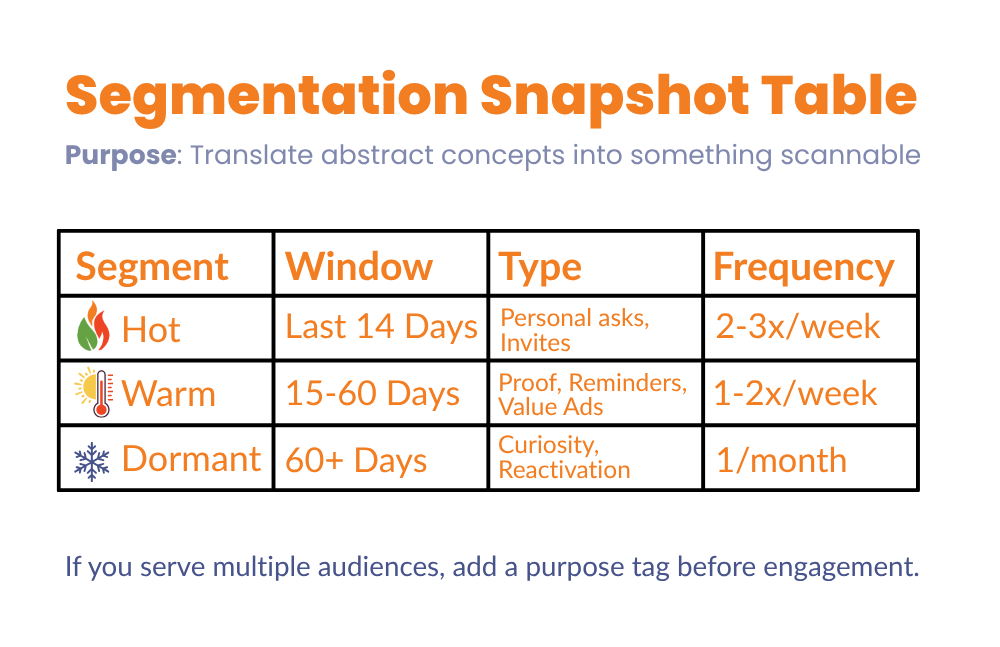
I usually group people like this:
- Hot Leads: Clicked or replied in the last 2 weeks.
- Warm Leads: Opened anything in the last couple months.
- Dormant Leads: Quiet for 60+ days
Start simple: who’s interacting, who’s not. Getting clever before you understand your funnel doesn’t work. Save the segmentation magic for later—once real patterns emerge.
A bookkeeping client found 113 contacts who were still reading emails but hadn’t been spoken to directly in over a year. One carefully crafted email later, she had 18 replies and three new monthly clients.
If your business serves different customer types—say, tax prep and advisory—layer that firmographic information in next. Real engagement comes from speaking to the pain point that matters most in that moment. If you send the right message to the wrong person, you’ll miss the moment entirely.
And please, don’t ghost your list because you’re afraid people will unsubscribe. Familiarity is built by showing up quietly and consistently. Let the people who don’t want to hear from you go their separate way. Go dark, and someone else fills the gap—and lands your deal.
Step 4: Get Them to Interact
You don’t need a monster automation tree. Here are a few scrappy and easy plays.
Here’s what works best:
- UX testing: Act like a grumpy customer. Click your own ad, visit the landing page on your phone, try the form, read the page copy, and take a look at the auto-responder. Does it make sense? Is anything lagging or broken? One client ran paid ads to a dead scheduling link—for three weeks.
- Hand-raise email: This one doesn’t need any design or fluff. Just: “Hey, quick question: Are you still looking for ways to increase tax credits right now?” One sentence. One reply option. That line alone scored a 42% reply rate.
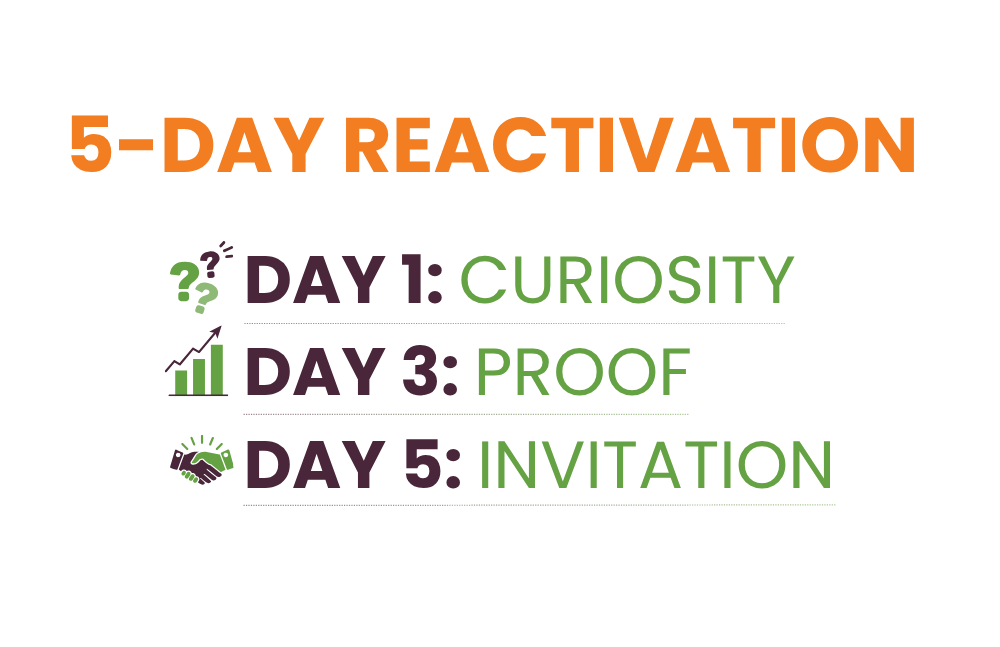
- Reactivation sequence: Send three emails in five days. Start with something to pique their curiosity. Build tension. Follow with a quick story or stat. End with a simple invite. Don’t fake enthusiasm; focus on relevance. People can feel the difference.If they respond or click, move them into the Hot/Warm group. If not, let them rest. They’ll tell you when they’re ready. That’s the point. Let their user behavior guide you.
Final Thought
Start with the basics. You don’t need new software. You don’t even need new ideas. Clean out the plumbing, get smarter with your segmentation, and executive to simple plays.
Once your list starts breathing again, you’ll feel it—the replies, the energy, and the quiet momentum.
That’s what moves the needle.
Share this on:
About Heather Porter

Heather Porter is the founder of Thrivology, an email marketing agency that helps small businesses build stronger relationships and measurable growth through strategy and systems. With more than a decade of experience in the dental and medical industries and a track record of generating over $50 million in sales across multiple companies, she focuses on clarity, consistency, and marketing that moves people to act.